


To thrive and lead a fulfilling life, I believe we need to nurture the most important relationship in our life – the one we have with our Self!
April is my birth month and my favourite month of the year. The sun is shining, it’s getting warm outside, trees blossom, birds are back with their songs and you can feel that Spring is already here.
Let me begin by sharing my news with you…
I spent almost all of March in Argentina with four friends. What started as a simple getaway quickly turned into a masterclass in human connection. Filled with laughter that echoed through the streets in Buenos Aires, moments of pure awe while hiking the breathtaking landscapes of Patagonia, the warmth of shared love and wine in Mendosa, and yes… a few occasional sparks of disagreement.
Five friends. Five perimenopausal women (🤪). Five distinct personalities. Five sets of preferences, priorities, and ideas about how the trip and each day should unfold.
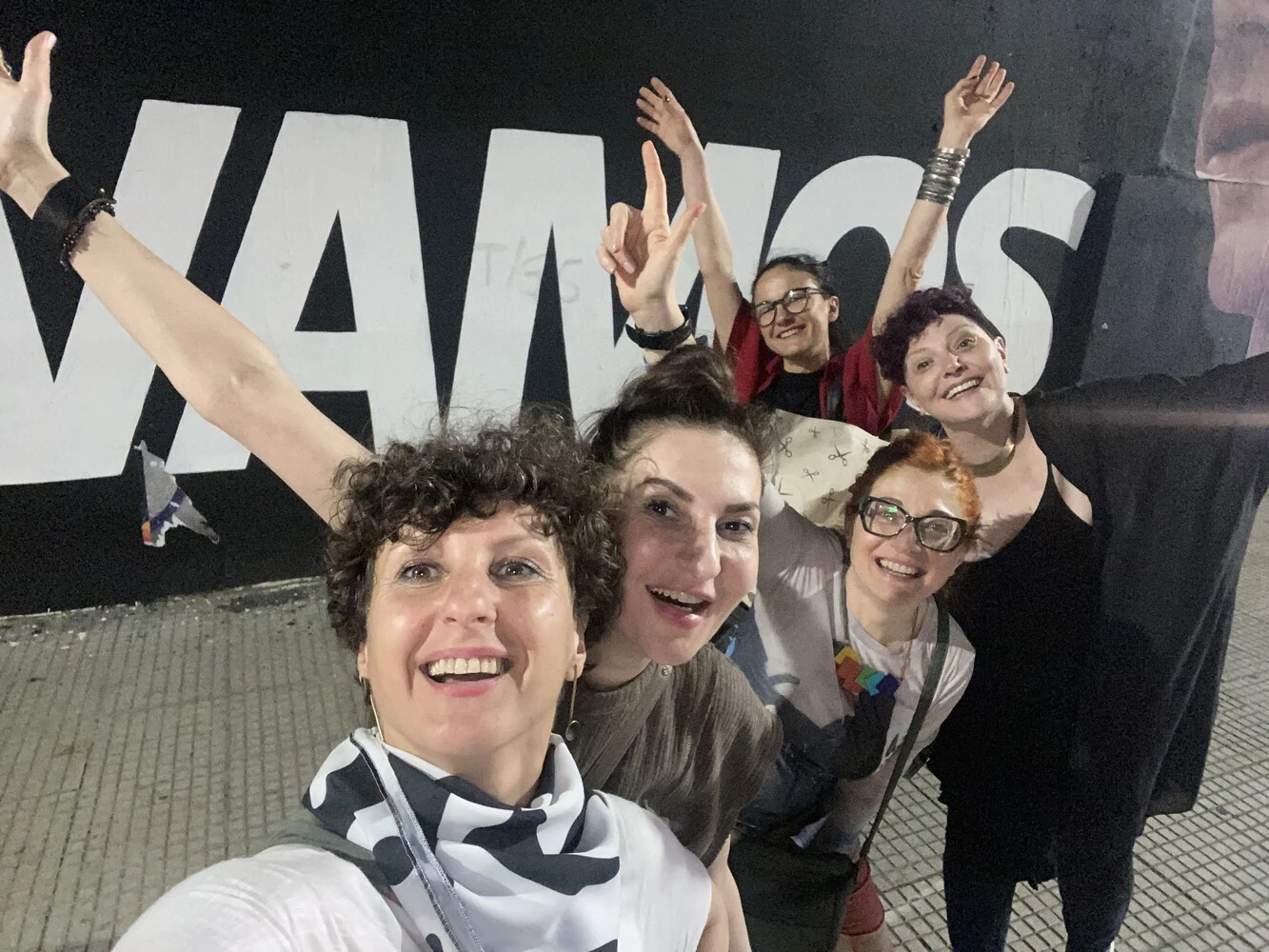
And so, the negotiations began.
They started long before we even boarded the plane – debating destinations, arguing over how many days to spend in each city, and carefully balancing everyone’s must-see lists. Once we arrived, the conversations continued in real time: Where should we eat tonight? Having a night out or waking up early? Artisan market or city shopping? Hiking boots or city stroll?
Many decisions felt like an exercise in listening, compromising, persuading, and finding creative solutions that honored each person’s desires without breaking the harmony of the group (even though this sometimes happened). Travel with friends is one of the purest forms of negotiation training you can experience. It’s raw, emotional, high-stakes (at least in the moment), and incredibly revealing of the true character of each.
Below I am sharing a few negotiation tips, tactics, and mindsets that I use in my daily life – NLP practical tools that apply far beyond vacations and into every area of life: business deals, difficult conversations, salary discussions, family decisions, and everyday conflicts.
Before we continue, let me share a few announcements with you…
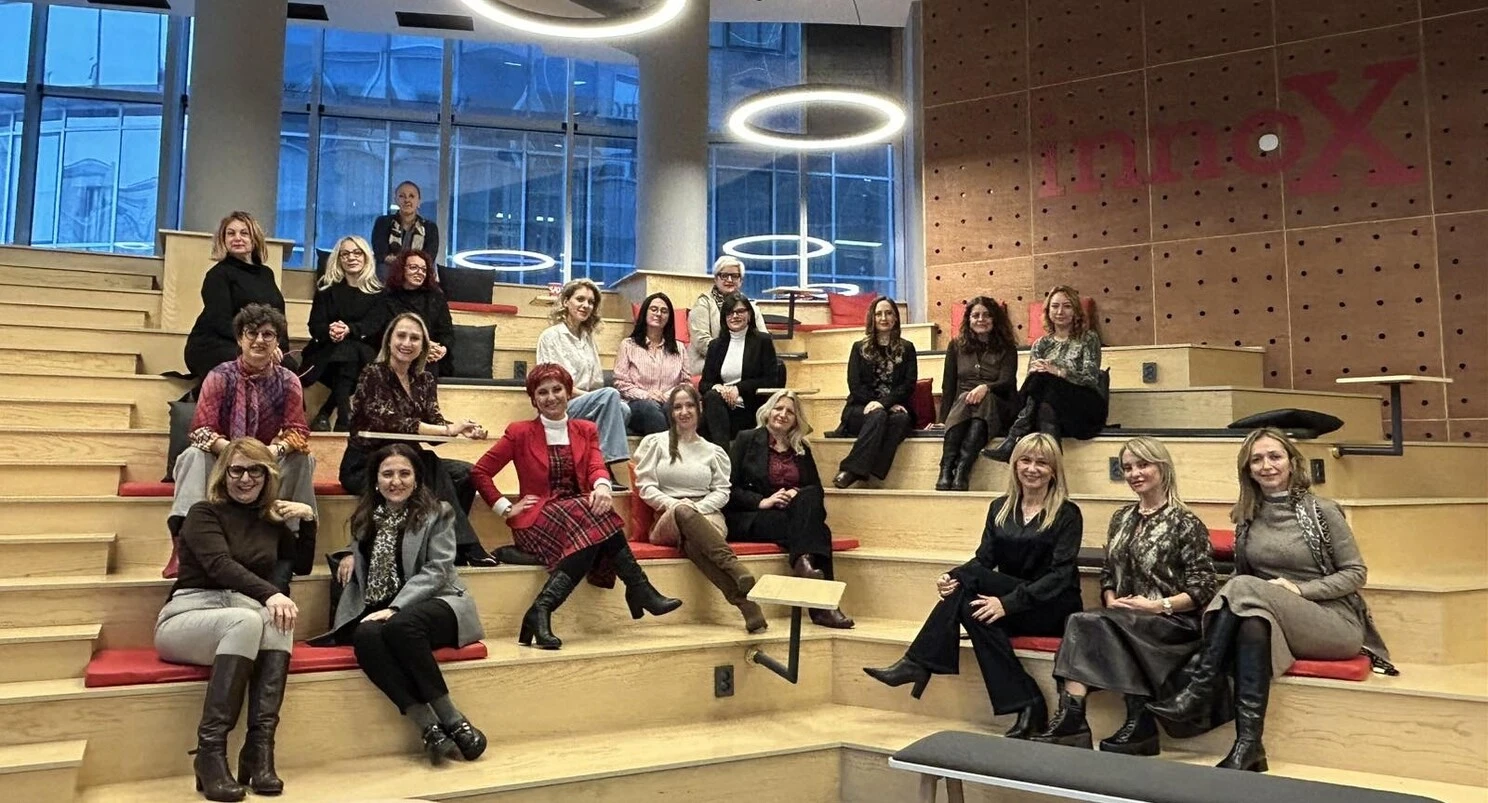
- The Women of Impact Leadership Programme begins with activities and a new group of female leaders in Prishtina, Kosovo with a one-day leadership workshop titled: “Lead with Purpose: From Self-Doubt to Unstoppable Confidence” on 14th May. If you are one and you are interested, reach out. If you know a woman who can benefit from this program in Kosovo, please share the information. Previous participants report amazing results, and plus a sisterhood that provides support that we all need.
- Because of popular demand and for the first time, I am opening to the public the top-notch training on advanced negotiation and persuasion skills based on NLP – a training that has been a privilege to corporate clients until now. This first open training is organized in Skopje, in Macedonian language. You can learn more about it here or directly reserve your spot at the following link.

Let’s dive deeper now into…
The Art of Negotiations
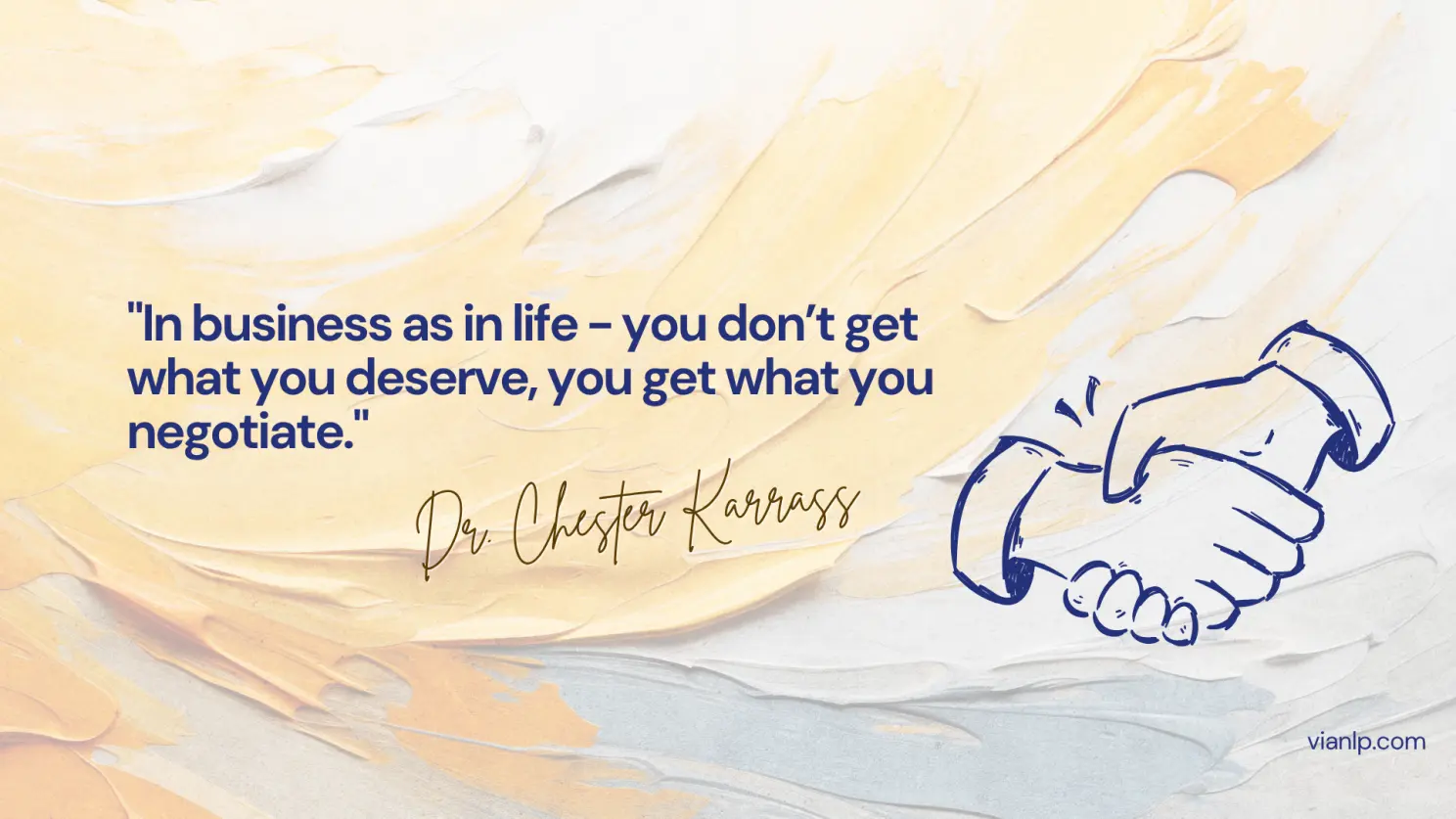
In life we constantly negotiate with others and with ourselves – decisions, prices, salaries, offers, convincing others to do things, converting opponents, homeworks, vacations, who will drive the kid, who will cook. Too often negotiations end with a winner and a loser. But it doesn’t have to be that way, right? Because successful negotiations are those in which both sides feel like winners: seen, heard, respected and satisfied.
Now, some people are natural-born persuaders and you easily recognize them when they enter a room. They effortlessly captivate audiences, sway the undecided, and win over even the strongest opposition. Watching them in action is impressive – their charisma and eloquence make others not only agree, but actually want to comply, as if fulfilling the request is a pleasure.
Yet this creates frustration for the rest of us. These gifted individuals rarely understand exactly why they succeed, and even less often can they explain or teach their skill to others. Their talent remains more art than science. Most leaders and professionals, however, must influence people without relying on exceptional charisma. They face the core challenge of leadership: getting things done through others in today’s complex environment. Traditional authority (“Because I’m the boss”) no longer works effectively. In a world of cross-functional teams, virtual meetings, joint ventures, and blurred lines of power, persuasion has become far more powerful than formal authority. The ability to influence behavior through skillful persuasion is now one of the most essential tools for any leader or professional.
This is where NLP comes into play – because NLP is about modelling geniuses in any field, taking their implicit knowledge and making it explicit so the rest of us can learn it and get the same results.
Below are a few quick tools that you can use to immediately help you improve your negotiations, and if you want to dive deeper and master persuasion and negotiation, join the upcoming course.
Build instant rapport
- Pacing & leading: Match tone and speech tempo and posture briefly (mirror breathing rate), then gently lead to calmer, slower delivery.
- Use names and short affirmations: “I see…, “I hear you” “That makes sense” – to feel present, give attention and reduce defensiveness.
Why it works: matching engages mirror neurons and creates a safe foundation to influence.
Reframe objections into opportunities
- Use sentences like: “Help me understand what worries you most about X – once I know that, we can find a solution that works.”
- Reframing: Turn “We can’t afford that” into “What outcome would make this investment worth it for you?”
Why it works: Emotional labeling and open questions reduce amygdala activation and shift attention to problem solving.
Anchoring & calibrated questions
- Anchor positively: Start with a high-but-reasonable option to set reference points (price, scope, timeline).
- Calibrated questions: Use “how” and “what” (e.g., “How can we make this work within your budget?”) to invite collaboration rather than shut-down with yes/no responses.
Why it works: Anchors shape perceived value; open calibrated questions move the other person toward brainstorming solutions.
Use body language to influence outcomes
- Open posture: uncrossed arms, relaxed shoulders, moderate eye contact.
- Micro-affirmations: small nods, forward lean when listening.
- Watch for cues that signal the state is shifting: tightened jaw, folded arms, feet pointed away – calibrate, pause and switch to listening/softening language.
Why it works: Nonverbal cues signal safety and availability; noticing shifts in physiology lets you respond early.
Reduce cognitive load with structured choices
- Clarity and structure: Offer 2-3 clear options rather than open-ended discussions. Example: “We can (A) shift deadline and keep scope, (B) keep deadline and reduce scope, or (C) add resources to keep both – which aligns best with your priorities?”
Why it works: People make worse choices when overloaded. Clear options and simple framing improve outcomes, increase decision quality and reduce friction.
Practice the above in your conversations. Take one tool and practice it for a few days. Then, once you master it, take another one and practice. Build your skillset day by day. Notice the difference it makes in your conversations.
Negotiation is not battle – it’s skillful coordination and building bridges. No leader can succeed without mastering the art of persuasion. With these few tools above, you can shift conversations from win/lose to win/win and get better results, faster.
Want to dive deeper? Let me know, and I’ll send you some resources!
To finish,
My message for the month of April is:
The best investment you can make is in yourself, you are worth it!
Much love,
Viktoria ❤️